Sympathy for the Devil: The Anime Villains Who Actually Had a Point
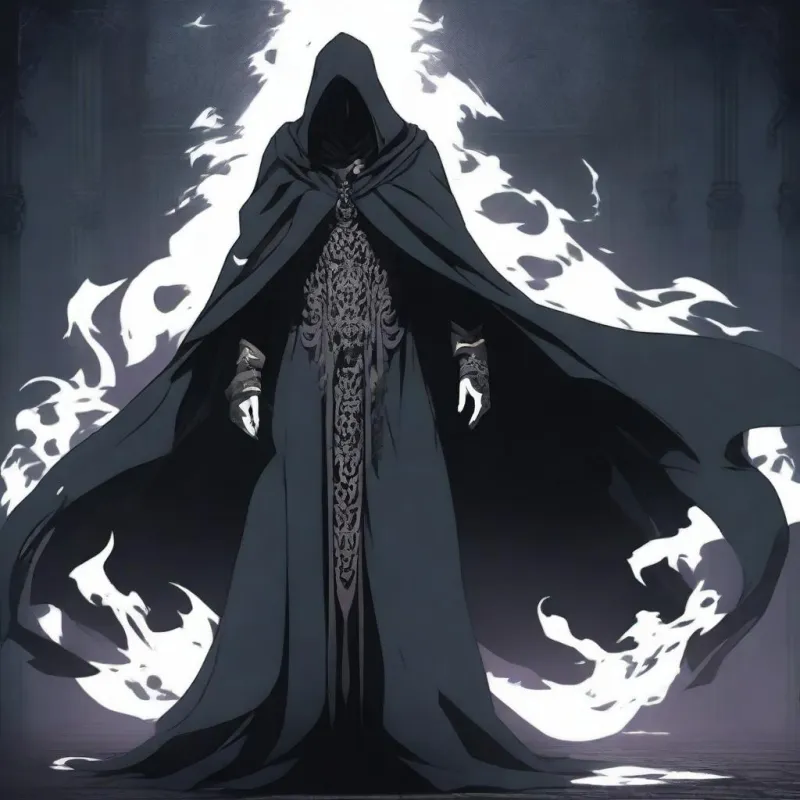
Photo: anime villain shadow dramatic lighting, via files.idyllic.app
Every anime fan has had that moment. You're twelve episodes deep, the villain lays out their whole philosophy, and somewhere in the back of your brain a tiny voice whispers: wait, is he wrong though?
Then you feel guilty about it. You shouldn't. The best anime antagonists are built to make you uncomfortable, and pretending otherwise is missing the point of the genre's best writing.
When the Villain's Math Checks Out
Let's start with the ones who genuinely hold up under scrutiny.
Scar (Fullmetal Alchemist: Brotherhood) is a revenge-driven killer, full stop. But the show never lets you forget that his rage is the product of an actual genocide, and his arc works precisely because his grievance is legitimate even when his methods aren't. The Ishvalan tragedy isn't a plot device — it's the moral engine of the entire series.
**Killmonger's anime cousin energy aside, the clearest modern example is Zeke Yeager (Attack on Titan). The euthanasia plan is horrifying, obviously. But his argument — that Eldian suffering will never end until it ends entirely — is one the show refuses to easily refute. Fans still argue about it, which is exactly the sign of an antagonist doing his job.
And then there's the granddaddy of them all: Shishio Makoto (Rurouni Kenshin). Social Darwinism as a villain manifesto sounds edgy on paper, but the Meiji government literally betrayed him, burned him, and left him for dead. When he says the strong rule and the weak get exploited, he's describing the world he lived in. Kenshin's counterargument is about hope, not facts — and the show is honest enough to frame it that way.
The Ones Fandom Needs to Stop Defending
Now the uncomfortable part. Not every sympathetic villain is secretly right, and internet discourse has a bad habit of laundering genuinely rotten characters through aesthetic appreciation.
Makishima Shogo (Psycho-Pass) gets romanticized constantly because of his bookshelf and his soft-spoken delivery. His critique of the Sibyl System is sharp! It's also a critique he uses to murder people for fun. You can find him fascinating without pretending he's a philosopher. He's a hedonist with a reading list.
Same energy with Johan Liebert (Monster). The "Johan was shaped by trauma" discourse has been running for two decades, and yes, the show explores that with real nuance. But there's a difference between understanding a character and defending them, and the gap between those two things is where a lot of bad takes live.
Light Yagami deserves a special mention. The number of fans who unironically think Kira's plan would work is a genuinely interesting sociological data point. Light is the show's cautionary tale, not its hero, and Death Note is pretty explicit about that from the first episode.
What Our Favorite Villains Say About Us
Here's the thing nobody wants to admit: the villains we gravitate toward are a mirror.
The popularity of antagonists with anti-institutional rhetoric — and there are a lot of them, from Code Geass to Attack on Titan — tracks pretty cleanly with declining trust in institutions here in the US. When a character says "the system is broken and someone has to burn it down," that lands differently in 2024 than it did in 2006.
That's not a bad thing. Fiction is where we get to interrogate ideas we'd never endorse in real life. The trouble starts when the interrogation stops and the stanning begins.
The Real Test of a Great Antagonist
The metric I've landed on after too many years of watching and arguing: a great villain makes the hero's victory cost something. If the hero wins and nothing about your worldview shifted, the antagonist was a plot obstacle, not a character.
By that standard, Scar, Zeke, and even the much-maligned Light all pass. Makishima half-passes. And the fandom's rehabilitation projects? Those tell you more about the audience than the writing ever did.
So the next time someone tells you a villain "had a point," don't roll your eyes. Ask them which point. The answer is usually more interesting than the argument.