Read the Manga: Insult, Compliment, or the Internet's Most Complicated Relationship?
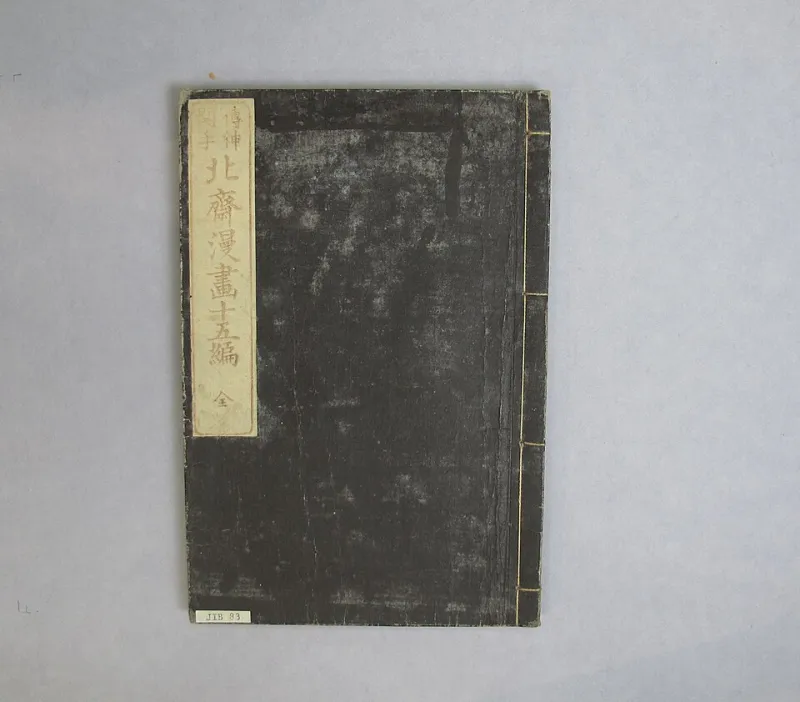
Photo: Katsushika Hokusai, CC0, via Wikimedia Commons
There are two sentences that can end a comment section faster than politics: "the manga did it better" and "just read the manga." One is a review. The other is, depending on your reading, either genuine advice or a condescending gatekeeping flex. The weird part? It's both, simultaneously, every single time.
The relationship between manga readers and anime-only viewers has always been a little tense, but the spoiler-saturated internet has turned it into something closer to a cold war with occasional border skirmishes. It's worth asking how we got here — and whether the two camps actually need each other more than either wants to admit.
Why "Read the Manga" Became a Slur
On its face, "read the manga" is reasonable advice. The source material is usually more complete, pacing is often better, and for a lot of series, the manga is simply further along. The problem is delivery. When an anime-only viewer is excited about a plot twist and a source reader responds with "that's nothing, wait until chapter 340," it stops being a recommendation and becomes a spoiler wrapped in superiority.
The phrase also carries baggage from genuinely bad adaptations. For every masterpiece, there's a studio that butchered beloved source material, and manga readers carry that trauma. Their defensiveness isn't entirely unearned — they've watched shows they loved get wrecked. Anime-onlys just didn't sign up to be collateral damage in that grief.
The Unspoken Contract (That Nobody Signed)
Here's what the etiquette actually looks like when both sides are trying: manga readers don't spoil, don't say "wait for it," and don't rank future arcs. Anime-onlys don't complain about adaptation choices that exist for structural reasons, don't demand the anime "go rogue" from a story that's still being written, and accept that some questions simply can't be answered yet.
It's a fragile truce. One person posting a manga panel in a spoiler-tagged thread that renders untagged in someone's notifications can reignite everything. Studios don't help — adaptation announcements are literally marketed on anticipation, and streaming platforms algorithmically recommend the manga to people who've only watched three episodes.
Studios Are Playing Both Sides
Adaptations are, structurally, advertisements for the source material. Publishers know it. The anime exists partly to sell volumes, which means the "read the manga" pipeline isn't a fandom quirk — it's the business model. When a season ends on a cliffhanger and the next volume's sales spike, that's not an accident.
This puts anime-onlys in a strange position: the entire industry is quietly nudging them toward the manga, while the manga community simultaneously resents them for arriving late and ruining the discourse. It's a door marked "push" that only opens when pulled.
Can Both Camps Share a Comment Section?
Honestly? Sometimes. The healthiest spaces we've seen on AnimeWath are the ones with strong spoiler norms and a little mutual empathy. Manga readers who remember what it felt like to experience Attack on Titan blind. Anime-onlys who understand that source readers have been waiting years to see a scene animated.
The two audiences aren't enemies. They're the same fan at different points on a timeline. The anime-only of today is the manga reader of tomorrow — usually by choice, usually because someone recommended it kindly instead of condescendingly.
"Read the manga" doesn't have to be an insult. It's only a slur when it's used to end a conversation instead of starting one.