Seen, Finally: Why Authentic Representation in Anime Hits Different When You're Watching Solo
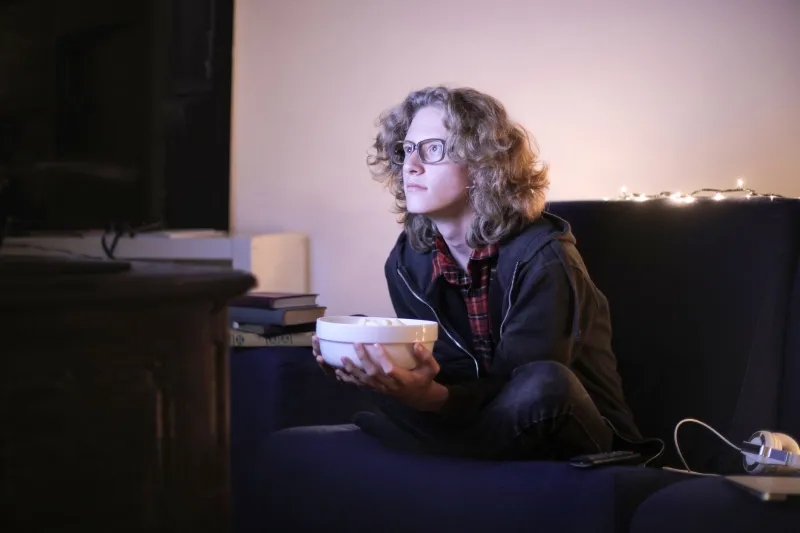
There's a specific kind of quiet that happens when you're watching anime by yourself and a character does or says something that feels like it was pulled straight from your own brain. Not a plot twist. Not a cool fight sequence. Just... a moment of recognition. Like the show looked up from the screen and went, oh, you're here too.
That feeling is rare. And for a lot of people watching anime in the US — especially those who don't see themselves in mainstream Hollywood content — it's also kind of everything.
Why Mainstream Media Keeps Missing the Mark (and Why Anime Sometimes Doesn't)
American television and film have made some progress on representation, sure. But "progress" often still means a supporting character who exists to validate the main cast, a storyline that treats someone's identity as a dramatic obstacle, or a token inclusion that feels more like a checkbox than an actual human being.
Anime, weirdly, doesn't always play by those same rules — not because the industry is inherently more progressive (it absolutely isn't, in a lot of ways), but because it pulls from such a massive range of genres, demographics, and storytelling traditions that authentic portrayals tend to emerge more organically. When a slice-of-life show about a socially anxious teenager actually captures what social anxiety feels like rather than what it looks like to someone who's never experienced it, that's not an accident. That's specificity doing its job.
Specificity is what separates representation that lands from representation that just... sits there.
The Shows That Got It Right
A Silent Voice is probably the clearest example in recent memory of a show handling a marginalized experience — in this case, deafness and disability — without reducing it to a lesson or a tragedy. Shoya and Shoko's dynamic is messy and uncomfortable and real in a way that feels earned rather than scripted. Deaf viewers in particular have pointed out how much it meant to see sign language treated as a genuine communication system woven into the story rather than a prop for emotional scenes.
Wandering Son (Hourou Musuko) is another one that comes up constantly in conversations about representation done right. The series follows two middle schoolers navigating gender identity with a tenderness and nuance that most adult dramas can't manage. It doesn't treat being transgender as a twist or a trauma spiral. It just... follows these kids living their lives. For trans viewers who grew up watching anime in the early 2010s, this show was genuinely singular.
Carole & Tuesday tried to do something ambitious — build a world where music and immigration and racial identity all intersected — and it mostly succeeded. The show's depiction of characters of color in a futuristic setting felt intentional rather than incidental, and the storyline around refugee artists resonated hard with immigrant communities watching stateside.
The Misses That Stung
Not every attempt lands. And honestly, the misses hurt more when you've been waiting to feel seen.
A lot of older shonen series have a habit of introducing female characters who are clearly capable and then systematically sidelining them whenever the plot needs to move forward. The representation is there in the promotional material, in the character design, sometimes even in the first few episodes — and then it quietly evaporates. Viewers notice. They always notice.
Then there's the issue of queer-coding without commitment. Anime has a long history of building intense emotional bonds between same-sex characters, letting that tension simmer, and then either pulling back completely or resolving it in a way that's technically deniable. Free!, Yuri!!! on Ice (which went further than most but still left people wanting more clarity), even elements of Banana Fish — these shows build real emotional investment in queer relationships and then hedge at the finish line. For LGBTQ+ viewers, that specific kind of almost-there representation can feel worse than nothing. You got close enough to care, and then the show blinked.
The Emotional Weight of Watching Alone
Here's the thing about watching solo that doesn't get talked about enough: there's no buffer. When you're watching with friends, you can laugh off a bad representation moment, roll your eyes at someone else, make it a group conversation. When you're alone, the screen is just talking directly to you.
That cuts both ways. A bad portrayal lands harder. But so does a good one.
People who've described the experience of watching A Silent Voice or Wandering Son for the first time often use language that sounds almost disorienting — like they didn't realize how tense they'd been holding themselves until the show gave them permission to relax. That's what genuine recognition does. It tells you that you don't have to translate yourself for this story. It already speaks your language.
For viewers in the US who belong to communities underrepresented in both Western and Japanese media — Black anime fans, Indigenous fans, disabled fans, queer fans of color — finding that recognition can feel like stumbling onto something that wasn't meant for you but somehow fits perfectly anyway. And that accidental fit is often more moving than anything intentionally crafted.
What the Community Is Doing With It
One of the genuinely cool things about the anime fan community in the US right now is how actively people are building space for these conversations. Reddit threads, Discord servers, YouTube essays, TikTok fan cams — people aren't just consuming representation, they're interrogating it, celebrating it, calling it out when it falls short.
Fan communities built around specific identities — Black anime fans, trans anime fans, disabled fans — have become their own ecosystems where the conversation goes deeper than mainstream coverage allows. These aren't niche spaces anymore. They're some of the most engaged corners of anime fandom, and they're influencing which shows get attention and which get quietly skipped.
Why It Matters, Still
Some people will read this and think the whole conversation is overblown — that anime is just entertainment, and reading representation into it is projecting. And sure, not every show needs to carry that weight.
But for the person watching at midnight, alone, who hasn't seen their experience reflected anywhere in American pop culture all week — one moment of genuine recognition in an anime episode isn't overblown. It's oxygen.
The shows that get this right aren't doing charity. They're just telling the truth about a wider range of human experience. And when they do it well, the audience feels it in a way that's hard to explain to someone who's never needed it.
That's the thing about being seen. You don't know how much you needed it until it finally happens.